
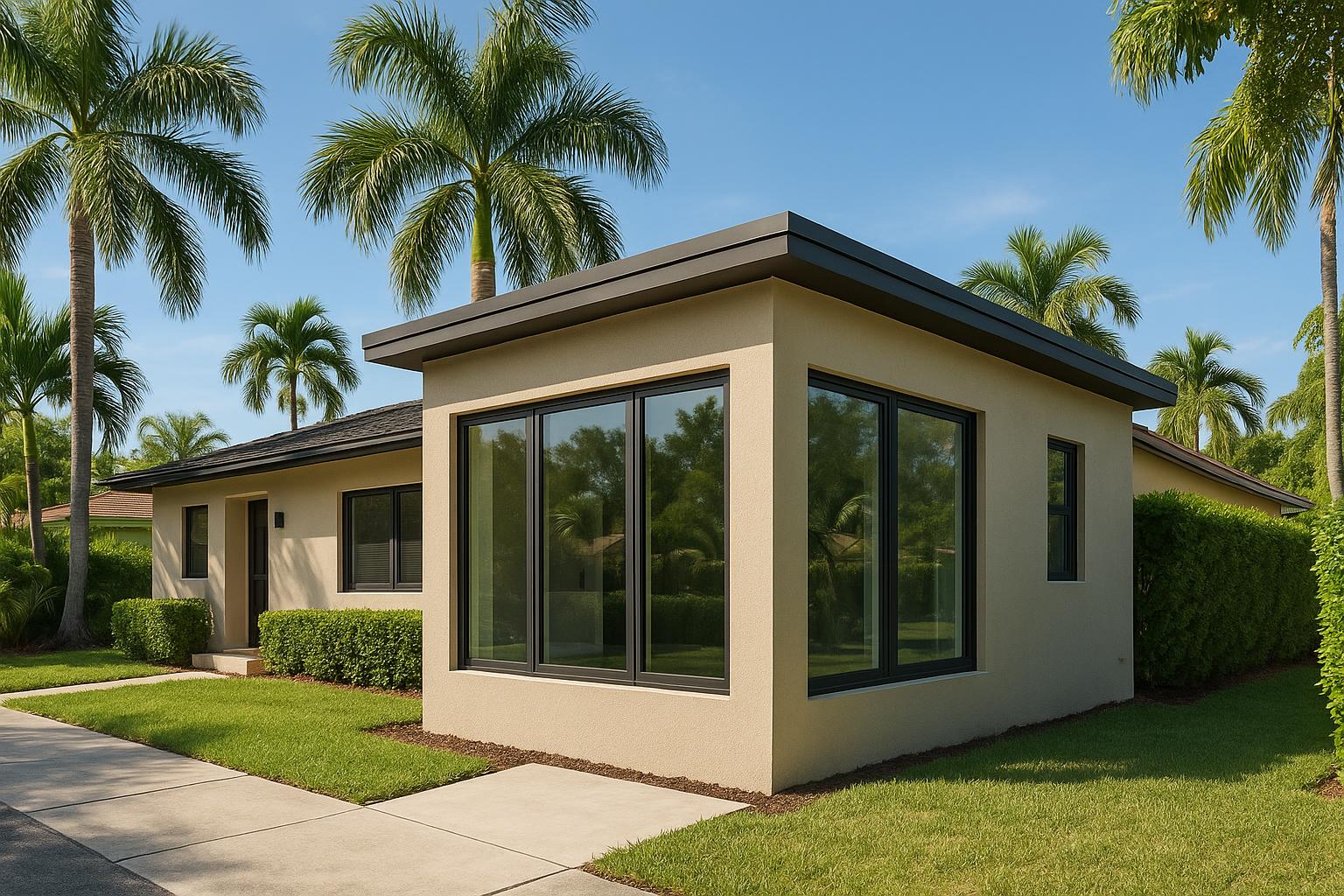
Why Miami Homeowners Are Adding Rooms Instead of Moving
Miami's real estate market is competitive, and home prices continue to climb across neighborhoods from Coral Gables to Aventura. For many homeowners, the cost of buying a larger home—plus closing costs, moving expenses, and the hassle of uprooting your family—simply doesn't make sense. That's why room additions have become one of the most popular remodeling projects in South Florida.
Whether you need an extra bedroom for a growing family, a home office for remote work, or a dedicated guest suite for visiting relatives, a well-planned room addition can transform your home and significantly increase its value. But the process involves more than just framing walls and laying a foundation. Here's a comprehensive guide to planning a room addition in Miami without the headaches.
Start With a Clear Purpose for the New Space
Before you sketch a single floor plan or call a contractor, ask yourself a fundamental question: What problem is this room addition solving?
Common reasons Miami homeowners invest in room additions include:
- A growing family that has outgrown the current layout
- The need for a dedicated home office or studio
- Creating an in-law suite or guest quarters
- Adding a family room or entertainment space
- Expanding a cramped kitchen or primary bedroom
Having a clear purpose helps guide every decision that follows—from the size and layout of the addition to the materials and finishes you choose. It also helps your contractor provide a more accurate estimate and timeline.
Understanding Miami's Permitting and Zoning Requirements
One of the biggest mistakes homeowners make is underestimating the permitting process. In Miami-Dade County, virtually every room addition requires a building permit. Depending on the scope of your project, you may also need to comply with zoning setback requirements, lot coverage limits, and Florida Building Code wind-load specifications.
Here's what you need to know:
- Setback requirements: Your addition must maintain a minimum distance from your property lines. These distances vary by neighborhood and zoning classification.
- Lot coverage limits: Most residential zones in Miami restrict the percentage of your lot that can be covered by structures. Your contractor should verify this before designing the addition.
- Hurricane compliance: Florida's building codes are among the strictest in the nation for wind resistance. Any new construction must meet current standards for impact-resistant windows, roof tie-downs, and structural reinforcement.
- HOA restrictions: If you live in a community with a homeowners association in areas like North Miami Beach or Aventura, you'll likely need architectural approval before you can begin.
Working with an experienced local contractor who understands Miami-Dade County's permitting process can save you weeks—or even months—of delays.
Budgeting Realistically for Your Room Addition
Room additions are a significant investment, and costs can vary widely depending on the size, complexity, and finishes you select. In the Miami area, homeowners can generally expect to pay between $150 and $350 per square foot for a quality room addition, though high-end finishes or complex structural work can push that number higher.
Key factors that affect your budget include:
- Foundation work: Miami's soil conditions and water table can complicate foundation construction, especially in low-lying areas.
- Roofline integration: Seamlessly tying a new roof into your existing structure is critical for both aesthetics and weather protection.
- Electrical and plumbing: If your addition includes a bathroom, kitchenette, or heavy electrical needs, expect these costs to be a significant portion of the budget.
- HVAC extension: Your current air conditioning system may need to be upgraded or supplemented to handle the additional square footage—something that matters a great deal in South Florida's heat.
- Permits and engineering: Budget for architectural drawings, structural engineering, and permit fees, which can add several thousand dollars to the project.
A good rule of thumb is to set aside 10-15% of your total budget as a contingency fund for unexpected issues that arise during construction.
Design Tips for a Seamless Addition
The last thing you want is for your room addition to look like an afterthought. The best additions feel like they were always part of the original home. Here are some design principles to keep in mind:
Match the Exterior
Use the same or complementary roofing materials, siding, paint colors, and architectural details as your existing home. In Miami, where architectural styles range from Mediterranean Revival to Mid-Century Modern, maintaining consistency is essential for curb appeal and resale value.
Consider Natural Light
Miami's abundant sunshine is one of its greatest assets. Incorporate large windows, sliding glass doors, or even skylights to flood your new space with natural light while reducing energy costs.
Plan the Flow
Think carefully about how the new room connects to the rest of your home. Awkward hallways, misaligned floor levels, or poorly placed doorways can make an addition feel disconnected. Your architect or design-build contractor should create a layout that feels intuitive and natural.
Think About Outdoor Connection
Many homeowners in Coral Gables, Miami Beach, and surrounding areas want their indoor spaces to flow seamlessly into outdoor living areas. If your lot allows it, consider designing your addition with large openings or covered patios that take advantage of Miami's year-round outdoor lifestyle.
Choosing the Right Contractor for the Job
A room addition is one of the most complex remodeling projects you can undertake. It involves foundation work, framing, roofing, electrical, plumbing, HVAC, and interior finishes—all of which need to be coordinated precisely. Choosing the right contractor is arguably the most important decision you'll make.
When evaluating contractors in the Miami area, look for:
- Proper licensing and insurance: Verify that your contractor holds a valid Florida general contractor or building contractor license.
- Local experience: A contractor familiar with Miami-Dade County's permitting process, soil conditions, and building codes will save you time and money.
- A detailed written estimate: Avoid contractors who give vague quotes. You should receive a line-item breakdown of materials, labor, permits, and projected timeline.
- References and portfolio: Ask to see completed room addition projects and speak with past clients about their experience.
- Clear communication: Your contractor should be responsive, transparent about potential challenges, and willing to walk you through every phase of the project.
The Bottom Line: A Room Addition Is an Investment in Your Future
A thoughtfully planned room addition doesn't just give you more space—it enhances how you live every day. It adds real, measurable value to your property and allows you to stay in the Miami neighborhood you love without the disruption of moving.
At Legacy Foundation Contractors, we've helped homeowners across Miami, North Miami, Aventura, and Coral Gables plan and build room additions that blend seamlessly with their existing homes. From initial design through final inspection, we handle every detail so you can focus on enjoying your new space.
If you're considering a room addition and want to understand your options, reach out to our team for a consultation. We'll walk your property, discuss your goals, and give you an honest assessment of what's possible within your budget and timeline.